Estate Operational Blueprint

Running historic keeps shouldn't feel like fighting the centuries.

Let's be candid: opening a three-hundred-year-old estate to five-star weekend guests, corporate galas, and weddings is a wild balancing act. You're preserving breathing lime mortar with one hand while configuring high-density Wi-Fi through meter-thick ashlar masonry with the other. We unpack the actual operational machinery that makes castle hospitality thrive.

Estate Core Telemetry • Operating Reality
4.5× Thermal inertia differential between stone bastions and glazed modern orangeries
72 hr Standard moisture dissipation window after deep ceremonial room turnover
1:8 Back-of-house to public square footage ratio required for smooth banqueting
Field Handbooks

The Five Pillars of Castle Hospitality Management

Running historic properties requires respect for historic fabric, sharp commercial instincts, and pragmatic logistics. Here is how we break down the primary operating disciplines.

Ecosystem Synergy

How Maintenance, Guest Care, and Commercial Events Interlock

In a purpose-built suburban convention hotel, maintenance operates behind drywall service corridors, banquet staff have expansive service elevators, and guests never encounter the boiler technician. In a medieval or Georgian castle, your boiler technician, florist, and wedding planner share the exact same 1.2-meter spiral stone passage.

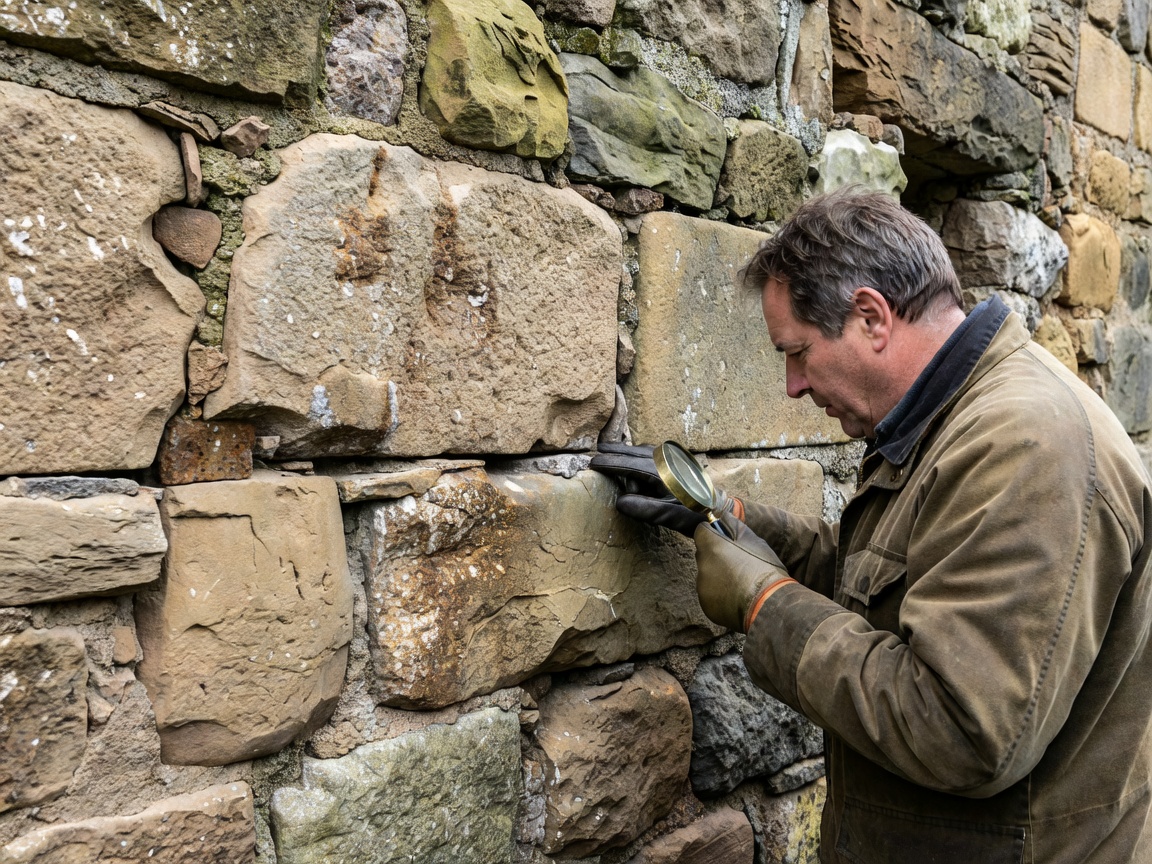
If your fabric maintenance team uses Portland cement to patch a mortar joint instead of hydraulic lime, trapped moisture will travel inward and ruin a priceless dining room wall fresco six months later during peak wedding season. If event load-in guidelines don't restrict axle weight on the gravel courtyard, delivery trucks will crack underground lead drainage culverts dating to 1740.

Success isn't about running three independent departments. It's about establishing a singular, synchronized operational rhythm where preservation protocols dictate hospitality limits, and event revenues reliably fund ongoing heritage stewardship.

Operational Rhythm Matrix

  • Dawn Patrol (06:00 - 08:30): Grounds inspection, moisture reading in stone cellars, silent delivery intake through dedicated peripheral gates.
  • Guest Awakening (08:30 - 11:00): Silent maintenance only. HVAC micro-adjustments via wireless non-invasive sensors to prevent window condensation.
  • Midday Turnover (11:00 - 15:00): High-intensity window. Coordinated turnover of historic bedroom suites alongside wedding marquee staging.
  • Evening Service (17:00 - 23:30): Acoustic decibel enforcement, emergency heritage-trained staff on standby for breaker or water pressure shifts.

Need practical insight for an active estate project?

Whether you are converting a private seat into a commercial venue, refining your existing event workflows, or training seasonal teams on heritage care, our advisory team is ready to talk shop.